
 You may be interested to learn that our state environmental agency, the Texas Commission on Environmental Quality (TCEQ), offers grants that help (primarily businesses) fund projects to improve air quality. Perhaps you may be surprised to learn that renewable energy projects and electric vehicle purchases are eligible for some of these grant opportunities. These grants are found under the umbrella of the Texas Emissions Reduction Plan (TERP). TERP programs are typically focused on natural gas and diesel vehicles along with general air emissions control technologies. For example, the Clean Transportation Triangle and Texas Natural Gas Vehicle Program offer funds for development and deployment of natural gas fueling stations and vehicles in the state. Other programs include Emissions Reduction Incentives Grants for upgrade/replacement of diesel engines/vehicles in certain areas of the state.
Among all the fossil-fuel related projects, renewables can get a piece of the action through the New Technology Implementation Grant (NTIG) program. General air emissions control technologies and “cleantech” for fossil fuels are also eligible for these funds. However, electricity storage technology projects tied to renewable energy generation are eligible for these grants, too. In the past few years, thermal and compressed air energy storage projects for wind farms have received funding through NTIG.
Electric, as well as natural gas-fueled, vehicles can be subsidized up to $2,500 through the Light-duty Purchase, or Lease Incentives (LDPLI) program. According to the LDPLI program guidance, electric vehicles must be a plug-in with four wheels, a top speed of at least 55 mph, and an unloaded weight of no more than 8,500 pounds and a minimum battery capacity of four kilowatt-hours. Also, the vehicle must be on the TCEQ’s list. There is currently no list posted on the web. A new list is due out later this spring.
Additionally, there is a Clean Fleets program to support conversion of commercial fleets to alternative fuels/hybrid vehicles. However, that program had its last grant application period end in august of 2012 and there have been no further announcements of further funding availability.
Seems there are some progressive elements lurking in our state government!
 This month’s Clean TX Foundation Power Lunch featured Dr. Michael Webber of UT-Austin speaking on the interdependence of our energy, water and food supplies. The over-arching message is that currently our energy production depends heavily on water supply, while treating and distributing water consumes much of our energy. At the same time, food production and distribution currently consumes a big fraction of our energy and water. Here are a few further points I took away to ponder:
 Monday and Tuesday I had the privilege to attend the first
  Yesterday’s
  Happy Spring Break! Even while on vacation, I find that I can’t turn it off. Here are some things I’ve noticed:
 After completing my Landmark Advanced Course this past weekend, I’ve truly discovered that I have the power to create life, or freeze it to death. If my words and actions don’t align, or if I’m dishonest about how much I passionately care about people and making a difference in the world, it’s killer. It’s like being frozen and icing over everything around me. Also, if I lack a constructive focus for my creative energy, I isolate myself and get lost in a snowstorm of my own creation.
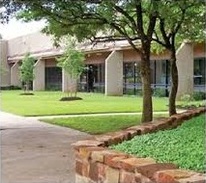 I have a dream for my neighborhood. It began to form in a time of defeat. About two years ago, I was dismissed from a small consulting firm. As a high school and college honors student who’d never had a bad work performance review before, I saw this as a horribly crushing failure. I didn’t take it lying down though. I got up and walked. I walked all over Braker Center, the light industrial/office park only blocks from my house. I began to wonder. What if I could find, or create opportunity with those businesses right here in my own backyard?
 Austin has gained a reputation for leadership in energy and cleantech. Here’s my experience this month of Austin’s fantastic and growing energy industry through events I’ve had the privilege to attend, or will attend soon.
 Running a university campus is akin to operating a small city with its own utility. I already had some sense of this fact, but it was really driven home for me when I had a long conversation over coffee with someone who spent 30 years in Utilities and Energy Management on UT-Austin’s main campus. For a college campus, it’s all about energy and water use, and the drive toward maximum efficiency. Here’s a summary of what I learned in that coffee conversation.
 Last week
Recent Comments